Toolbox Talk - Line of Fire
January 30, 2025
The “Line of Fire” refers to situations where a person could be struck, crushed, or exposed to sudden energy release. These incidents are common during high-ris
The “Line of Fire” refers to situations where a person could be struck, crushed, or exposed to sudden energy release. These incidents are common during high-risk activities, such as working at heights, lifting operations, material handling, ground disturbance, mobile equipment, and electrical isolation. Awareness and prevention are key to avoiding injuries.
High-Risk Activities and Hazards:
Working at Heights
- Hazards: Falling tools, unsecured materials, or worker falls.
- Line of Fire: Falling tools or equipment striking workers below, or workers falling due to lack of fall protection.
- Prevention: Use tool lanyards, toe boards, and fall protection systems. Keep areas below clear of people and equipment.
Lifting Operations
- Hazards: Falling loads, shifting materials, or equipment movement.
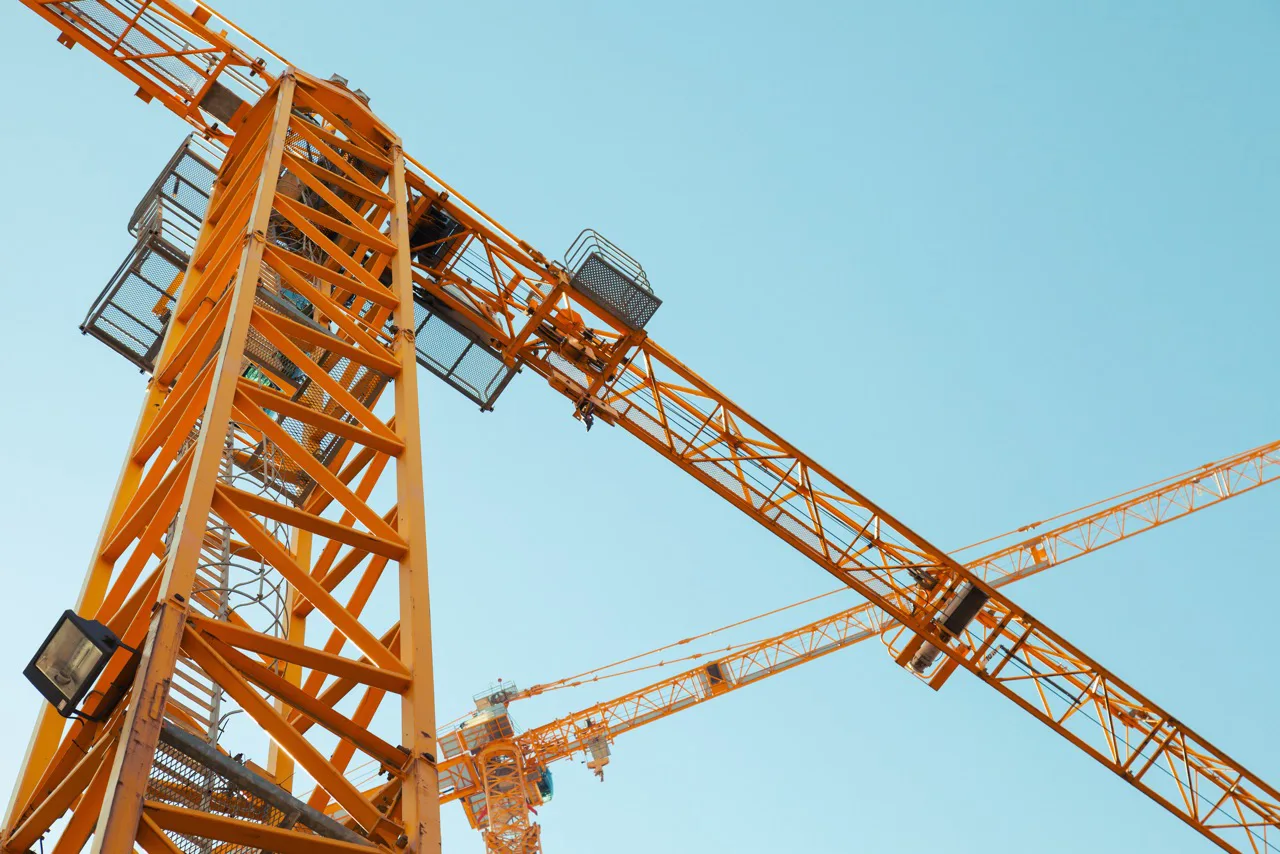
- Line of Fire: Standing under or near a suspended load or being struck by shifting or swinging materials during the lift.
- Prevention: Never stand under loads, use taglines to guide loads, and inspect lifting gear before use.
Material Handling
- Hazards: Dropped materials, caught limbs, or unsecured loads.
- Line of Fire: Workers’ limbs or hands becoming caught between materials or crushed by dropped or unsecured loads.
- Prevention: Use mechanical aids to handle materials, secure loads, and ensure clear communication during material handling.
Ground Disturbance
- Hazards: Striking underground utilities or excavation collapse.
- Line of Fire: Striking underground utilities, leading to potential explosions or hazardous material release, or being near the edge of an excavation that could collapse.
- Prevention: Conduct utility locates before digging, mark hazards clearly, and use barricades to secure excavation areas.
Mobile Equipment
- Hazards: Being struck or caught by machinery.
- Line of Fire: Workers being struck by moving vehicles or machinery, or caught between equipment and other objects (e.g., walls, structures) in blind spots or tight spaces.
- Prevention: Stay clear of blind spots, use spotters when operating equipment in tight areas, and follow designated walkways for pedestrian traffic.
Electrical Isolation
- Hazards: Arc flashes or stored energy release.
- Line of Fire: Sudden release of electrical energy (arc flash), or electrical shocks due to improper isolation of circuits or equipment.
- Prevention: Follow Lockout/Tagout (LOTO) procedures, verify de-energization of equipment, and use appropriate PPE, such as arc flash-rated clothing.
Key Prevention Steps:
- Plan Ahead: Identify hazards during job planning and risk assessments.
- Stay Alert: Be aware of your surroundings and communicate clearly.
- Use PPE: Always wear the required personal protective equipment.
- Avoid Danger Zones: Stay clear of suspended loads, excavation edges, and equipment blind spots.
Closing Reminder:
Your safety depends on awareness, planning, and teamwork. Stay out of the Line of Fire to avoid preventable injuries.
Download the full Toolbox Talk document on Line of Fire below: